
 Português


No products available yet
Stay tuned! More products will be shown here as they are added.
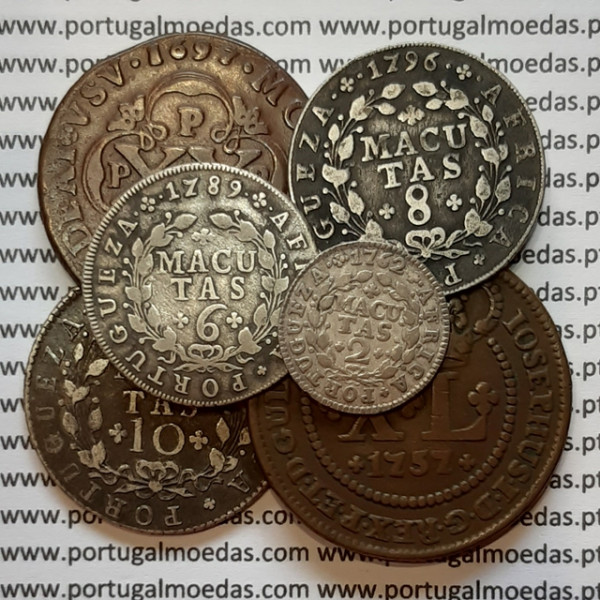
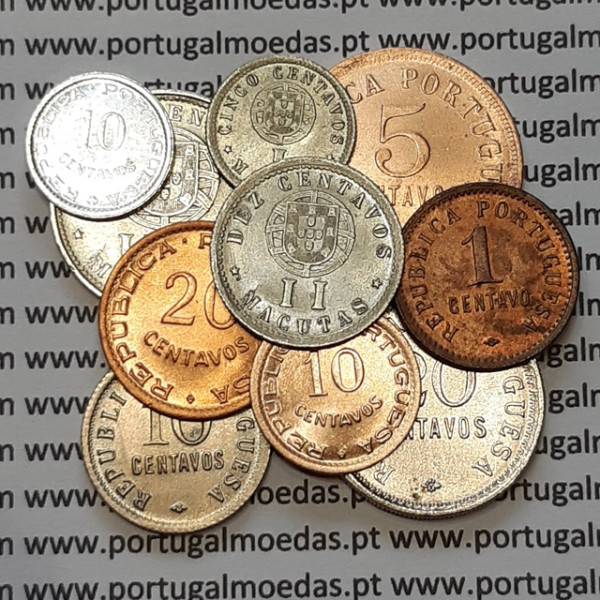
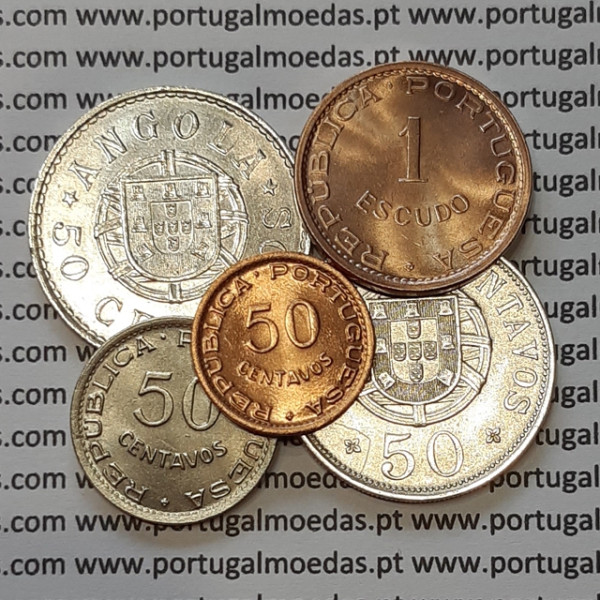
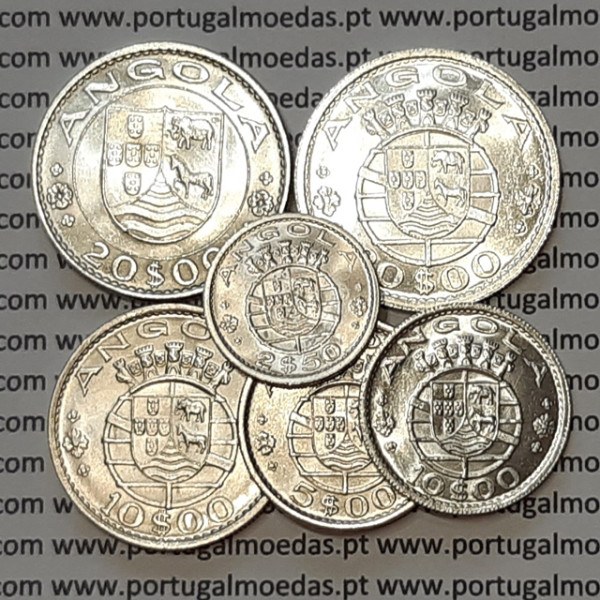
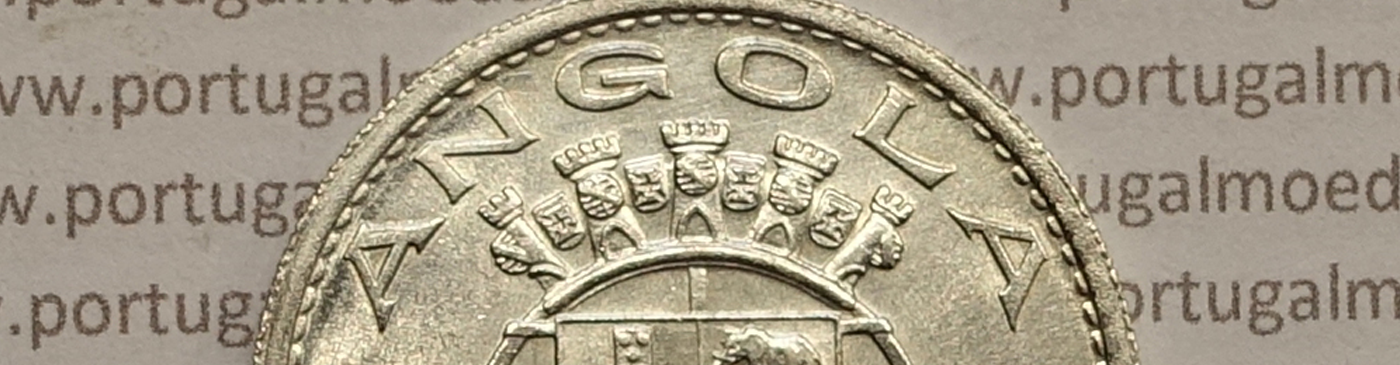
The coins of Angola represent one of the most significant chapters of Portuguese colonial numismatics, reflecting more than four centuries of administrative, economic and cultural presence in the territory. Angola’s monetary history begins after the arrival of Diogo Cão in 1482 and develops with the establishment of trading posts, the expansion of Atlantic routes and the consolidation of Portuguese control between the sixteenth and nineteenth centuries. Several monetary systems circulated, including the real, the macuta, the angolar and later the escudo, each associated with economic reforms, local needs and political changes. The copper issues of the eighteenth and nineteenth centuries, particularly the macutas and their multiples, were produced not only at the Lisbon Mint but also at the Mint of Brazil, reflecting the productive capacity of the Portuguese Empire in the South Atlantic. These coins are distinguished by their range of denominations, iconography adapted to the overseas context and manufacturing standards that evolved from rudimentary strikes to industrial production, culminating in the final issues before independence in 1975. Coins issued after independence can be found under World Coins, in the section Africa – Angola.
Stay tuned! More products will be shown here as they are added.